When it comes to fitness, the debate between gym vs home workouts is a hot topic among enthusiasts and beginners alike. Each option presents unique advantages and challenges, making it essential to explore what aligns best with individual goals and lifestyles.
Gyms offer a structured environment with access to a variety of equipment and professional guidance, while home workouts provide flexibility and convenience that can fit into even the busiest schedules. Understanding these dynamics can help you make an informed choice about where and how to achieve your fitness aspirations.
Overview of Gym Workouts
Gym workouts offer a structured environment that can significantly enhance one’s fitness journey. The atmosphere in a gym is designed to motivate individuals to push their limits and achieve their goals. The presence of other fitness enthusiasts often fosters a sense of community and accountability, which can be beneficial for many.
Benefits of Gym Workouts
The structured environment of a gym provides numerous benefits including:
- Access to Professional Trainers: Many gyms employ professional trainers who can provide guidance and tailored workout plans.
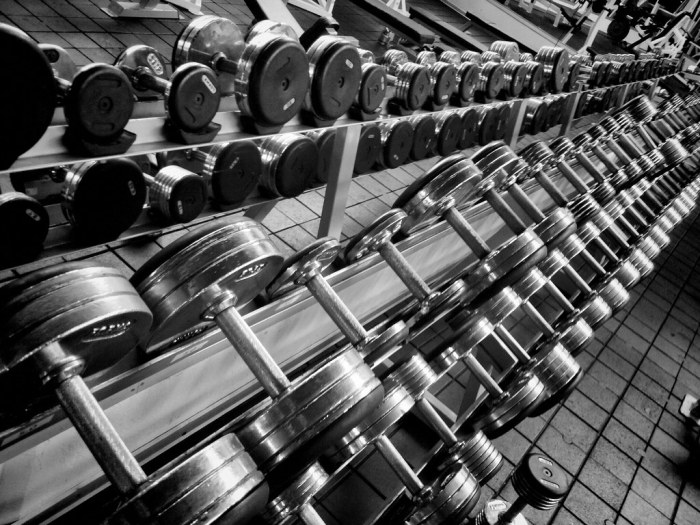
- Variety of Equipment: Gyms are equipped with a wide range of machines and free weights, which allow for diverse workout routines.
- Group Classes: Group fitness classes can add an element of fun and camaraderie while promoting competitive spirit.
Types of Equipment Available
Gyms typically offer various types of equipment that cater to different fitness goals. Some of these include:
- Cardio Machines: Treadmills, ellipticals, and stationary bikes for cardiovascular workouts.
- Strength Training Equipment: Free weights, resistance machines, and cable systems for muscle building.
- Functional Training Tools: Kettlebells, battle ropes, and medicine balls for dynamic exercises.
Statistics indicate a steady increase in gym memberships, with many studies suggesting that consistent gym-goers often have better fitness routines and improved overall health outcomes.
Overview of Home Workouts
Home workouts provide the ultimate flexibility and convenience, allowing individuals to exercise at their own pace and schedule. This option caters to those with busy lifestyles or those who prefer the comfort of their personal space.
Flexibility and Convenience
One of the greatest advantages of home workouts is the ability to design a fitness routine around one’s personal schedule. Key points include:
- No Commute: Eliminating travel time to and from the gym saves valuable time.
- Comfort of Home: Exercising in a familiar environment can reduce anxiety for some individuals.
- Tailored Routines: Individuals can focus on workouts that specifically cater to their preferences and needs.
Common Equipment Used
Home workouts can be highly effective even with minimal equipment. Commonly used items include:
- Resistance Bands: Great for strength training and easy to store.
- Dumbbells: Versatile for a variety of exercises, from strength training to cardio.
- Yoga Mats: Essential for floor exercises and stretching routines.
Popular home workout programs, such as Beachbody and Peloton, have shown remarkable success rates among their users.
Comparison of Gym vs Home Workouts
When it comes to cost, gym memberships can range significantly, often leading individuals to weigh the benefits against home workout setups.
Cost Implications
The financial aspects of fitness can greatly influence choices. Key comparisons include:
- Gym Memberships: Monthly fees can be a barrier, but often provide extensive resources.
- Home Equipment: Initial investment for home equipment can be high, but no ongoing fees.
Social Aspects vs Solitude
The social dynamic of gym workouts contrasts sharply with the solitude of exercising at home. While gyms offer community engagement, home workouts provide quiet time for personal reflection and focus.
Motivational Factors
Motivation is crucial in maintaining a fitness regimen. Working out in a gym can provide external motivation from trainers and fellow gym-goers, while home workouts require a self-driven approach.
Health and Fitness Considerations
Regardless of the workout environment, nutrition plays a vital role in achieving fitness goals.
Role of Nutrition
A balanced diet enhances workout effectiveness. Important considerations include:
- Protein Intake: Essential for muscle recovery and growth.
- Carbohydrates: Provide the necessary energy for workouts.
- Hydration: Crucial for overall performance and recovery.
Health tips should focus on preparing nutritious meals and snacks that complement workout routines.
Health Equity Considerations
Access to gyms versus home environments can vary significantly, impacting overall health equity. Factors such as location and socioeconomic status can influence opportunities for individuals to engage in physical activity.
Health and Social Care Implications
Health diagnostics play a crucial role in personal fitness journeys, providing essential insights into physical capabilities and limitations.
Importance of Health Diagnostics
Regular health assessments can inform individuals about their fitness levels, aiding in the creation of effective workout plans.
Role of Health Care Assistants
Health care assistants can promote active lifestyles by encouraging physical activity and providing support in various settings, including both gyms and home environments.
Community Health Initiatives
Community programs can effectively bridge the gap between gym and home fitness, offering resources and support for individuals seeking to improve their health.
Home Health Care and Fitness
Integrating home health care services with fitness regimes can be especially beneficial for elderly individuals.
Integration of Services
Home health care providers can offer resources tailored to fitness needs, ensuring that elderly individuals maintain an active lifestyle safely.
Innovative Methods for Incorporating Fitness
Creative strategies such as chair exercises or guided video workouts can help make fitness accessible for those at home.
Psychological Aspects of Workout Choices
Health anxiety can often affect fitness choices, with public perceptions influencing individuals’ decisions to workout at gyms versus at home.
Mental Health Benefits
Both gym and home workouts can provide mental health benefits, including reduced stress and improved mood.
Combating Workout-Related Anxiety
Strategies to mitigate anxiety can include setting realistic goals and practicing mindfulness during workouts.
Health and Medical Education in Fitness
Health education is pivotal in promoting informed workout choices, ensuring individuals understand the benefits associated with regular exercise.
Educational Programs
Various programs aim to educate individuals about health benefits and effective workout strategies, empowering healthier lifestyle choices.
Role of Health Connectors
Health connectors can facilitate better fitness decisions by providing resources and information to communities.
Health Essentials for Optimal Performance
Maximizing workout effectiveness in both environments requires attention to essential health tips.
Health Tips for Workouts
- Establish a Routine: Consistency is key for long-term results.
- Prioritize Recovery: Allow adequate time for muscle recovery.
- Stay Hydrated: Drink water before, during, and after workouts.
Balancing Routines with Fitness
Finding harmony between health, beauty routines, and fitness schedules can enhance overall well-being.
Importance of Hydration and Nutrient Timing
Understanding the right timing for nutrient intake can significantly impact workout performance and recovery.
Future Trends in Fitness
The fitness landscape is rapidly evolving, particularly with the rise of virtual workouts.
Emerging Trends in Virtual Workouts
Virtual workout platforms are gaining popularity, providing users with flexibility and diverse options from the comfort of home.
Innovations in Gym Facilities
Gyms are adapting to modern needs with innovative features such as smart equipment and personalized training programs.
Integration of Technology
Technology is transforming workout experiences, making fitness more accessible and engaging for various demographics.
Wrap-Up
In conclusion, whether you prefer the social atmosphere of a gym or the comfort of your home, both gym and home workouts can lead to effective fitness outcomes. The key is to assess your personal needs, motivation, and circumstances, ensuring your fitness journey is both enjoyable and sustainable.
Answers to Common Questions
Which is more cost-effective gym or home workouts?
Home workouts generally incur lower costs since you can avoid gym membership fees and purchase minimal equipment.
Can I achieve the same results at home as in the gym?
Yes, with the right programs and dedication, you can achieve comparable results at home, especially with bodyweight exercises and resistance training.
How important is motivation in choosing between gym and home workouts?
Motivation is crucial; if you find the gym energizing and it boosts your commitment, it may be the better option for you, otherwise, home workouts can be equally effective.
What are common home workout programs?
Popular programs include HIIT, yoga, and strength training, often available through apps or online classes.
Are there social benefits to working out in a gym?
Yes, gyms provide social interaction opportunities, which can enhance motivation and create a sense of community.